




The psychology behind gambling: why we play
The Nature of Luck in Gambling
Luck is often perceived as an enigmatic force that governs the outcomes of games of chance, especially in casino gambling. Unlike games that rely heavily on skills, where players can influence the outcome through strategy and technique, many casino games are predominantly reliant on random chance. This perception of luck infuses an element of excitement and unpredictability into the gaming experience, making it all the more thrilling, just like the best online pokies that offer unexpected surprises. However, it raises the question: can this elusive concept of luck be quantified or measured in any meaningful way?
To delve deeper into this concept, we must define what luck entails. Luck can be understood as a mix of probability, chance, and unexpected outcomes. In the world of casinos, luck’s function can be compared to the roll of a die or the shuffle of a deck of cards. Every outcome is independent and influenced by many uncontrollable variables. Despite this inherent randomness, players often develop various beliefs or systems aimed at ‘harnessing’ luck, which introduces a psychological aspect to their experience. This mindset can greatly impact how players engage with games of chance.
Ultimately, while controlling luck is impossible, gaining a better understanding of its parameters can provide valuable insights. The stochastic nature of games like slots or roulette highlights that luck is unpredictable. Nevertheless, players may perceive patterns or trends that seem to reveal luck’s presence. This subjective perception significantly influences participants’ experiences and engagement levels in the realm of casino gambling, showcasing that the human element plays a critical role in understanding luck. The variance in individual perceptions of luck underlines its complexity and the importance of personal belief systems in shaping gambling experiences.
The Role of Probability and Odds
In the discussion of quantifying luck in gambling, it is essential to grasp the mathematics of probability and odds that underpin casino games. Each possible outcome in these games has a specific, calculable probability. For example, in games like blackjack or poker, players can employ statistical odds to make informed decisions, thereby somewhat diminishing their reliance on luck. However, it’s important to acknowledge that having a statistical advantage does not guarantee victory; it merely shifts the odds in favor of players who are informed and strategic in their approach. This balance between luck and informed decision-making highlights the intricate dance involved in gambling.
Conversely, games such as slot machines function strictly on programmed random number generators (RNGs), making them entirely dependent on luck. Each spin is independent, and players cannot predict future outcomes based on previous spins. This randomness underscores the transient nature of luck in these scenarios; players often find themselves in a tug-of-war between their hopes for fortune and the stark reality of probability. The unpredictability of these games keeps players coming back, captivated by the potential of hitting it big. In this context, the psychological thrill of gambling often outweighs the mathematical realities of the odds.

Moreover, understanding the odds associated with various games can empower players to make informed decisions that could improve their chances of winning, even when they cannot control luck itself. For instance, recognizing which games have lower house edges can guide players toward options that might yield better long-term outcomes. This strategic awareness can help players navigate the casino landscape more effectively, allowing them to enjoy their gaming experience while also remaining cognizant of the integral role that luck plays. By blending knowledge of probability with practical gameplay tactics, players can create a more enjoyable and potentially successful gambling experience.
Psychological Aspects of Luck
The psychological ramifications of luck in gambling are substantial. Many players attribute their wins and losses to luck, leading to a cognitive bias known as the “gambler’s fallacy.” This belief suggests that if a particular outcome occurs more frequently in the past, it is less likely to happen in the future. For instance, if a player observes a series of red outcomes in roulette, they may irrationally conclude that black is “due” to occur, illustrating how psychology can distort perceptions of luck. Such biases can lead to erroneous betting patterns, often fueled by emotions rather than logic.
This mental framing can create a false sense of control over luck. Many gamblers develop rituals or superstitions to enhance their perceived connection with luck, whether it’s wearing a specific outfit or carrying a lucky charm. Such behaviors underscore how deeply intertwined the concept of luck is within the gambling experience, influencing players’ decisions and emotional reactions more than the actual odds might suggest. This psychological engagement can both enrich the experience and lead to misguided beliefs, as players may attribute their gambling outcomes to these rituals rather than to the randomness inherent in the games.
The interplay between luck and psychology is crucial for understanding player behavior in casinos. A gambler’s emotional state can significantly alter their perception of luck, making them either more reckless or overly cautious in their betting strategies. This emotional rollercoaster can lead to heightened excitement during winning streaks and deep disappointment during losing sessions, ultimately affecting how individuals engage with games over extended periods. Understanding these psychological factors can provide insights into responsible gambling practices, as players learn to manage their emotions and expectations in relation to luck and outcomes.
Is Luck Enough? The Importance of Strategy
While luck undoubtedly holds a significant place in casino gambling, it is widely recognized that a strategic approach can enhance the overall gaming experience. Players who invest time in understanding the rules, strategies, and probabilities associated with games often find greater success than those who rely solely on fortune. For example, in poker, the most skilled players are adept at reading their opponents and adjusting their strategies based on the evolving dynamics of the game, demonstrating that skill and strategy can be just as pivotal as luck. This synergy between skill and luck creates a deeper level of engagement for players.
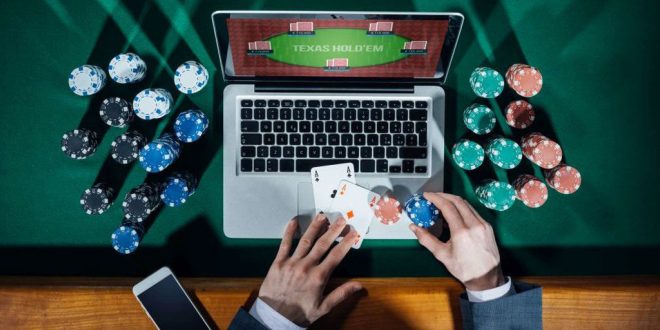
Additionally, many experienced players develop their own strategies tailored to specific games that allow for a mix of skill and luck. Games such as blackjack or video poker encourage more strategic gameplay compared to purely luck-based options. Here, the ability to assess risk, manage betting patterns, and identify advantageous situations can significantly influence the outcome. This illustrates that while luck may fluctuate, informed and skillful play can create a more favorable gaming experience. The development of these strategies is often a result of learning from past experiences and understanding the complexities of each game.
Consequently, the quantification of luck in gambling forms a complex tapestry woven from elements of chance, probability, and strategic thinking. It transcends the simplistic dichotomy of luck versus skill; instead, it highlights the importance of balancing these components to enhance the overall experience in casino gaming. Players can navigate the unpredictable currents of fortune by recognizing the intricate interplay between luck and strategy, ultimately enriching their engagement with casino games. This balance allows players to appreciate the thrill of uncertainty while also feeling empowered by their strategic efforts.
Understanding Casino Games: A Path to Enhanced Experience
In the casino gambling environment, having a comprehensive understanding of the various games available can significantly enrich a player’s experience. Different games exhibit varying ratios of skill to luck, and recognizing these differences enables players to make informed choices about where to invest their time and money. For instance, mastering the nuances of blackjack can provide players with a strategic edge, while games like slot machines remain entirely dependent on luck. This knowledge empowers players to choose games that align with their preferences and risk tolerance.
Furthermore, comprehending the rules, payout structures, and strategic elements for each game can help minimize losses and maximize enjoyment. For players who are drawn to luck-based games, understanding that each spin or hand is independent can help mitigate excessive gambling tendencies, fostering a healthier gambling mindset. This awareness allows players to distinguish between recreational play and gambling-related harm, promoting more responsible engagement with casino activities. By fostering this understanding, players can enjoy their time in casinos without losing sight of the importance of moderation.
Ultimately, the journey of exploring casino gambling encompasses far more than the mere element of luck. By embracing the subtleties of each game and integrating strategic elements wherever possible, players can cultivate a more rewarding experience. While luck remains a fundamental aspect of gambling, emphasizing knowledge and strategy allows for a more balanced perspective that appreciates both the thrill of chance and the empowerment of skillful play. This holistic approach enhances the overall enjoyment and satisfaction derived from participating in casino games, enabling players to make the most of their gambling experiences.